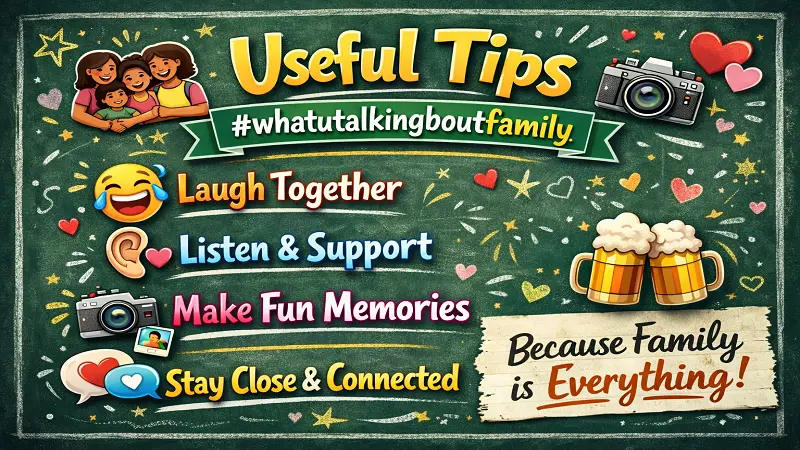
Family plays an essential role in shaping our emotional well-being, values, and personal growth. A supportive family environment can create a sense of belonging, safety, and happiness that lasts throughout life. However, maintaining strong family relationships is not always easy. Busy schedules, technology distractions, and misunderstandings can slowly weaken communication and connection within a household.
The concept behind useful tips whatutalkingboutfamily focuses on practical ways families can strengthen communication, resolve conflicts, and build meaningful relationships. Rather than complicated theories, it emphasizes simple habits that encourage openness, respect, and shared experiences.
In modern households, families often spend time in the same space without truly interacting. Children may be focused on digital devices, adults may be dealing with work responsibilities, and conversations may become limited to routine questions. Over time, this lack of deeper communication can create emotional distance.
Fortunately, families can rebuild strong connections through small, consistent changes. By improving listening habits, creating time for meaningful conversations, and supporting each other’s personal growth, families can develop healthier and happier relationships.
This guide explores practical strategies to help families improve communication, strengthen emotional bonds, manage disagreements, and create a positive environment where every member feels valued and understood.
The Importance of Strong Family Relationships
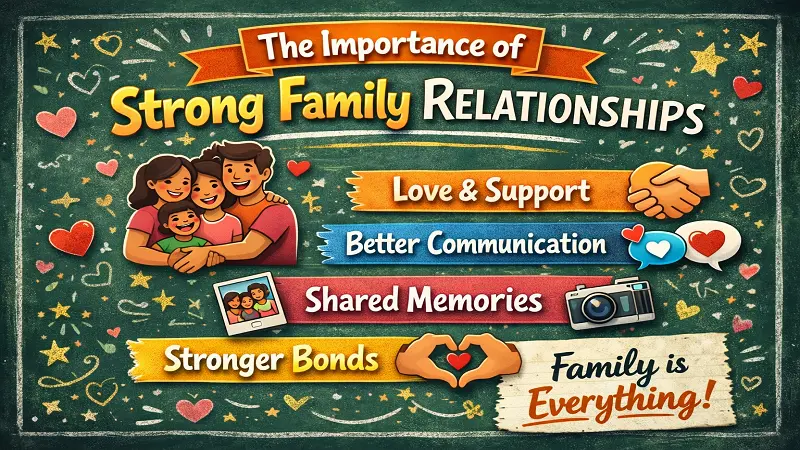
Healthy family relationships provide emotional stability and support. When family members feel understood and appreciated, they are more likely to develop confidence, empathy, and strong social skills.
Emotional Support
Families often serve as the primary source of comfort during difficult times. A supportive environment allows individuals to express their feelings without fear of judgment. When people feel emotionally supported, they are better equipped to handle stress and challenges.
Personal Development
Family interactions shape attitudes, behavior, and decision-making skills. Children especially learn important life lessons by observing how adults communicate, solve problems, and treat others with respect.
Sense of Belonging
Strong family bonds create a sense of security. When individuals feel connected to their family, they develop stronger self-esteem and emotional resilience.
Understanding these benefits highlights why improving communication and relationships within the family is so important.
Improving Communication Within the Family
Communication is the foundation of healthy family relationships. When family members communicate openly and respectfully, misunderstandings decrease and trust grows stronger.
Practice Active Listening
Active listening means giving full attention to the person speaking. Instead of preparing a response while someone else talks, focus on understanding their thoughts and emotions.
Effective listening includes:
- Maintaining eye contact
- Avoiding interruptions
- Acknowledging feelings
- Asking thoughtful questions
When family members feel heard, they become more comfortable sharing their thoughts and concerns.
Use Clear and Respectful Language
Words have a strong impact on relationships. Using respectful language prevents arguments from escalating and encourages productive conversations.
Try to express opinions calmly and avoid harsh criticism. Even during disagreements, maintaining respectful communication helps preserve trust.
Schedule Regular Family Conversations
Setting aside time for family discussions allows everyone to share experiences and concerns. This could be during meals, evening check-ins, or weekly gatherings.
These conversations create opportunities for bonding and help prevent small problems from becoming bigger conflicts.
Learning and applying useful tips whatutalkingboutfamily can make these conversations more meaningful and productive.
Creating Meaningful Family Time
Spending quality time together strengthens emotional connections and builds lasting memories.
Shared Meals
Eating together encourages conversation and interaction. Family meals allow everyone to discuss their day, share experiences, and stay connected.
Fun Activities
Participating in activities together helps families bond in a relaxed setting. Examples include:
- Board games or puzzles
- Outdoor walks or sports
- Cooking meals together
- Creative projects or crafts
These activities promote teamwork and create enjoyable experiences for all family members.
Family Traditions
Traditions give families a sense of identity and continuity. Simple rituals like weekend movie nights, holiday celebrations, or annual trips can create meaningful memories.
Over time, these traditions strengthen emotional bonds and help family members feel connected.
Managing Conflicts in a Healthy Way
Disagreements are normal in every family. However, the way conflicts are handled determines whether they damage relationships or strengthen understanding.
Stay Calm During Arguments
Strong emotions can quickly turn a small disagreement into a major conflict. Taking a moment to calm down before responding can prevent unnecessary tension.
Deep breathing, pausing the conversation, or stepping away briefly can help individuals regain composure.
Focus on the Issue, Not the Person
Blaming or criticizing a person often leads to defensiveness. Instead, discuss the specific issue and work together to find a solution.
For example, instead of accusing someone of being careless, explain how a particular action affected the situation.
Seek Compromise
Successful conflict resolution often requires compromise. Each family member should feel that their perspective is valued.
Finding a solution that considers everyone’s needs encourages cooperation and mutual respect.
Applying useful tips whatutalkingboutfamily in difficult conversations can help families resolve disagreements without damaging relationships.
Supporting Individual Growth Within the Family
While family unity is important, supporting individual development is equally essential. Each member should feel encouraged to pursue their interests and goals.
Encourage Personal Interests
Allowing family members to explore hobbies helps them develop skills and confidence. Whether it is music, sports, art, or learning new subjects, personal interests contribute to emotional growth.
Assign Responsibilities
Responsibilities help children and adults develop independence and accountability. Age-appropriate tasks teach valuable life skills and encourage teamwork within the household.
Celebrate Achievements
Recognizing accomplishments builds confidence and motivation. Celebrating milestones, big or small, shows appreciation and strengthens family support.
By encouraging individual growth, families create a balanced environment where each person can thrive.
Maintaining Emotional and Mental Well-Being
A healthy family environment supports emotional stability and mental wellness.
Encourage Open Expression of Feelings
Family members should feel comfortable discussing their emotions without fear of criticism. Honest conversations about stress, challenges, and feelings promote understanding and empathy.
Offer Support During Difficult Times
Life challenges such as academic stress, work pressure, or personal struggles can affect anyone in the family. Providing reassurance and encouragement helps individuals cope with these difficulties.
Practice Positive Reinforcement
Focusing on positive behaviors rather than constant criticism builds confidence and strengthens relationships. Simple words of appreciation can make a significant difference.
Building Healthy Lifestyle Habits Together
Healthy routines contribute to both physical and emotional well-being.
Balanced Nutrition
Preparing nutritious meals and eating together promotes healthier lifestyles and family interaction.
Physical Activity
Exercise can be more enjoyable when done as a group. Activities like walking, cycling, or playing sports together improve physical health and strengthen family bonds.
Limiting Screen Time
Technology can sometimes reduce face-to-face interaction. Setting reasonable limits on screen usage encourages more meaningful communication.
Families who practice useful tips whatutalkingboutfamily often find that balanced lifestyles improve both relationships and overall well-being.
Planning for the Future as a Family
Future planning helps families stay organized and prepared for challenges.
Setting Family Goals
Families can work together to set shared goals, such as saving for a trip, completing a home project, or supporting educational achievements.
Financial Awareness
Teaching responsible financial habits helps family members understand budgeting, saving, and planning for long-term needs.
Preparing for Unexpected Situations
Discussing emergency plans and responsibilities ensures that everyone knows how to respond during difficult circumstances.
Planning together creates a sense of teamwork and shared purpose.
Conclusion
Strong family relationships are built through communication, respect, and consistent effort. Small daily habits such as listening carefully, spending quality time together, and resolving disagreements calmly can significantly improve family connections.
By focusing on understanding, empathy, and mutual support, families can create an environment where every member feels valued and appreciated. The strategies discussed in this guide demonstrate how simple changes can strengthen relationships and promote long-term happiness.
Applying useful tips whatutalkingboutfamily consistently helps families maintain trust, deepen emotional bonds, and navigate life’s challenges together. Over time, these practices build a foundation of love, stability, and shared growth that benefits every member of the household.
FAQs
1. Why is communication important in families?
Communication allows family members to understand each other’s feelings, needs, and concerns. Clear communication reduces misunderstandings and strengthens trust.
2. How can families improve their daily communication?
Families can improve communication by practicing active listening, speaking respectfully, and setting aside regular time for conversations.
3. What activities help strengthen family bonds?
Shared meals, outdoor activities, game nights, and collaborative projects are excellent ways to strengthen family relationships.
4. How should families handle disagreements?
Disagreements should be handled calmly by focusing on the issue rather than blaming individuals. Listening to all perspectives and seeking compromise can resolve conflicts effectively.
5. How can families maintain emotional well-being together?
Families can support emotional well-being by encouraging open discussions, offering support during difficult times, and practicing appreciation for each other’s efforts and achievements.